Hot Dog Recipes with Cheesy Comfort Food Vibes

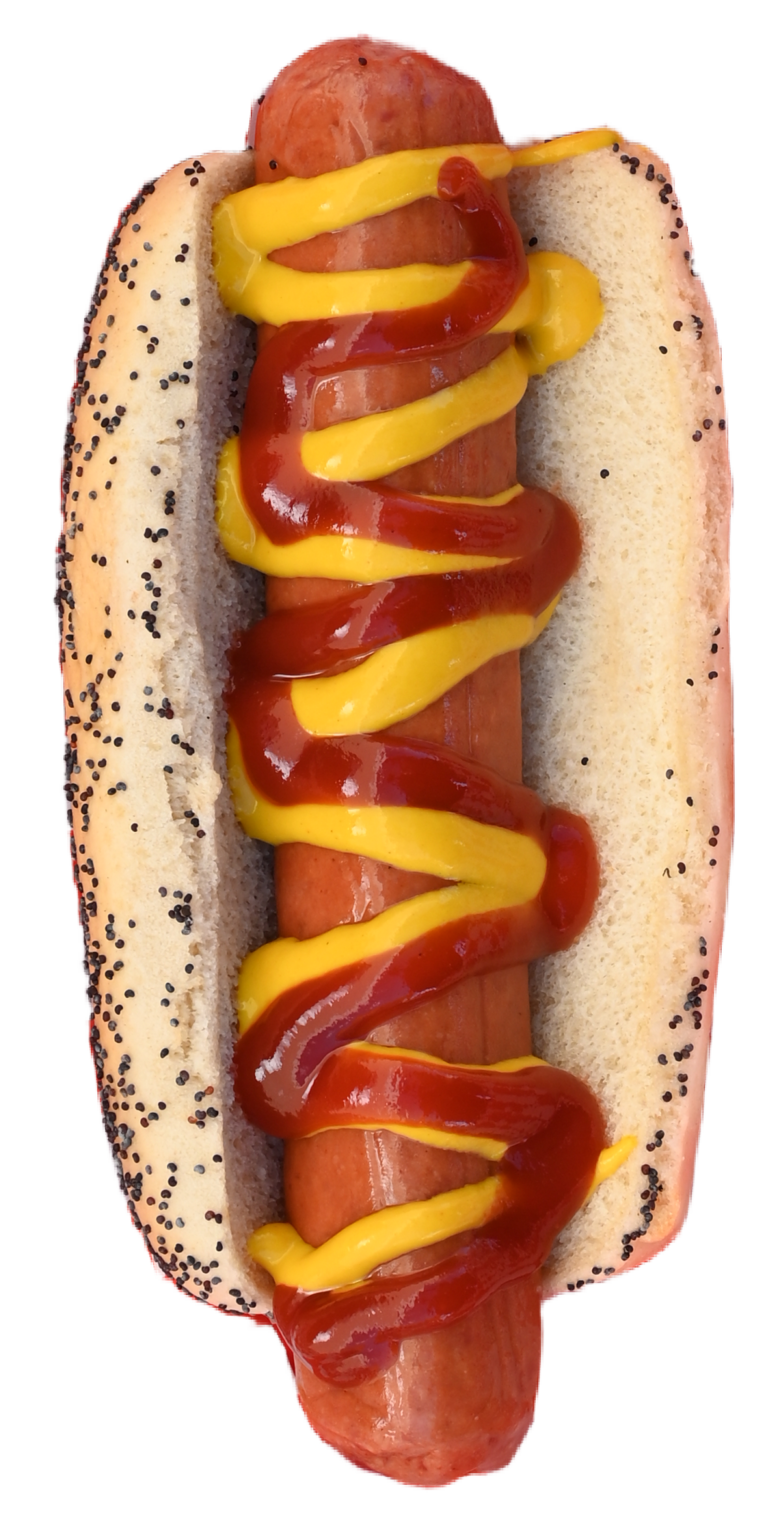

There are meals you cook for speed, meals you cook to impress, and meals you cook because the weather, the week, or your mood calls for something generous and familiar. A hot dog layered with melted cheese belongs firmly in that third category. It is casual food, yes, but that does not mean it has to be careless. When you pay attention to the bun, the sausage, the cheese, and the heat, you get something far better than a last minute dinner. You get contrast, texture, and that specific kind of comfort that only comes from warm bread and bubbling dairy.
I have made every version of the cheesy hot dog that a busy home cook eventually stumbles into. Some were built in a skillet at 10 p.m. After a long service day. Some were baked on sheet pans for game nights, when the only thing more important than flavor was making sure everyone could grab one without a fork. A few were complete messes, mostly because I treated cheese as a garnish instead of an ingredient with its own behavior. That is the difference that matters. Cheese can add silkiness, stretch, sharpness, salt, or richness, but only if you choose the right kind for the right job.
The beauty of this style of cooking is that it welcomes both pantry logic and a little indulgence. You can start with a basic beef hot dog and a packet of shredded cheddar, or build something more layered with caramelized onions, smoky gouda, and toasted brioche buns. Either path works. The trick is understanding what each element contributes, then balancing the whole thing so it still eats like a hot dog, not a casserole crammed into bread.
What makes a cheesy hot dog feel truly comforting
Comfort food is usually about more than heaviness. It is about familiarity, aroma, and ease of eating. A good cheesy hot dog should be rich, but not leaden. You want the snap of the sausage, the softness of the bun, and enough acidity or heat to keep the cheese from flattening everything into one note.
The first thing I look for is contrast. A deeply savory frank tastes better with a cheese that https://gravatar.com/underconstructionhotdogs either melts cleanly or brings some tang. Sharp cheddar is wonderful, but it can separate if you throw it directly under aggressive heat without any support. Monterey Jack melts more smoothly. American cheese, despite its lowbrow reputation, behaves beautifully because it emulsifies easily and gives you that classic creamy pull. If I am making hot dogs for a crowd, I often blend cheeses rather than relying on one. Half sharp cheddar for flavor, half Jack or American for texture is a practical combination that works in nearly every kitchen.
The bun matters more than people think. A very soft supermarket bun has nostalgia on its side, and there is nothing wrong with that. But if you are piling on cheese sauce or broiled toppings, a slightly sturdier potato roll or split top bun holds up better. Toasting the interior with butter adds flavor and buys you a little insurance against sogginess.
Then there is the question of how the cheese gets onto the hot dog. Melted slices, shredded cheese broiled over the top, and spooned cheese sauce all create different experiences. Slices are the easiest and often the neatest. Shredded cheese gives you browned edges and more texture. Sauce gets you full comfort food energy, but it needs careful seasoning, or it can taste bland and gluey. The best route depends on whether you want weeknight ease or something more dramatic.
The base method that makes most cheesy hot dogs better
If you only change a few habits, your hot dogs will improve immediately. This is the method I return to when I want reliable results without overthinking dinner.
- Brown the hot dogs in a skillet or on a grill until the exterior is blistered in spots and the center is heated through.
- Toast the buns lightly, either cut side down in butter or under low broiler heat for a minute or two.
- Add the cheese while the hot dogs are still very hot, using slices for direct melt or shredded cheese if you plan to broil briefly.
- Build in one balancing element, such as pickled jalapeños, mustard, sautéed onions, or chopped pickles.
- Serve immediately, because the best cheesy hot dog has a short window where the bread is warm, the sausage still snaps, and the cheese is flowing.
That sequence sounds simple because it is simple. The small discipline is what counts. If the bun is cold and the hot dog is barely warm, the cheese sits there. If the cheese is excellent but everything underneath is steamed and limp, the whole thing feels dull. Heat and timing matter more than expensive ingredients.
The skillet cheddar onion hot dog
If I had to recommend one version for someone who wants maximum comfort with minimum fuss, this would be it. A skillet cheddar onion hot dog hits the center of the target. It tastes nostalgic, but not childish. It also uses ingredients many people already keep around.
Start by slicing a yellow onion thin and cooking it slowly in a little butter and oil with a pinch of salt. You are not looking for jammy, one hour onion confit. About 15 to 20 minutes over medium low heat is enough to soften the slices, bring out sweetness, and develop caramel color around the edges. While the onions cook, sear your hot dogs in a separate skillet or nudge the onions to one side and cook them in the same pan if you do not mind a little crowding.
Once the hot dogs are nearly done, nestle them into toasted buns and drape each one with a slice of sharp cheddar or a mix of cheddar and American. Spoon over the onions while the cheese is still melting. Finish with a narrow ribbon of yellow mustard. That last touch matters. Mustard cuts through the dairy and keeps the sandwich from becoming too rich.
This is one of those hot dog recipes that teaches restraint. It does not need bacon, chili, or three different sauces. The onion does enough work on its own, adding sweetness, moisture, and a little jammy texture against the cheese.
A broiled jalapeño popper version for bigger comfort food energy
Some evenings call for a hot dog that leans shamelessly into indulgence. The jalapeño popper approach works because it borrows a flavor profile people already love: cream cheese, cheddar, heat, and a touch of crunch. It is messy in the best way, though not ideal for eating while standing over the sink in work clothes.
To make it, start with softened cream cheese mixed with a handful of shredded cheddar, finely chopped pickled jalapeños, and a spoonful of the jalapeño brine. That brine is not optional if you want the filling to wake up. Without it, the mixture can taste thick and one dimensional. Spread a modest amount inside a toasted bun, add the browned hot dog, then top with a little more cheddar. Slide the assembled buns under the broiler until the cheddar bubbles.
I like to finish this version with crushed butter crackers or toasted breadcrumbs for a nod to the crisp topping you get in a proper popper. If you have scallions, slice a few over the top. Their fresh bite helps. Fresh jalapeños are fine too, but pickled jalapeños tend to be the better choice here because acidity is doing a lot of structural work, not just flavor work.
One caution from hard experience: do not overfill the bun with cream cheese. It sounds obvious, but when you are making food for friends and trying to be generous, it is easy to go too far. A thick layer pushes the hot dog up, the cheese slips out, and the whole thing becomes more difficult to eat than it needs to be.
Chili cheese hot dogs, done so they stay lively
Chili cheese hot dogs are a classic for good reason, but they often go wrong in home kitchens. The problem is usually moisture. Thin chili saturates the bun, and too much cheese on top creates a blanket that mutes the sausage. The solution is to make or use a thick chili, apply it in moderation, and choose a cheese that can stand up to the meat.
A good hot dog chili is less like a bowl of stew and more like a seasoned meat sauce. It should spoon easily, but not run. Ground beef cooked fine with onion, chili powder, paprika, garlic, and tomato in a reduced base works well. You only need a few tablespoons per dog. More than that and you lose definition.
For cheese, shredded cheddar is the obvious choice, but a cheese sauce has one real advantage here. It coats the chili instead of sitting on top in clumps. If you do go the sauce route, make it short and sharp. A quick roux with milk and a handful of cheese is enough. Add a pinch of cayenne and a little mustard powder if you keep it in the cupboard. Those two ingredients make homemade cheese sauce taste more purposeful.
I often serve this style with finely diced white onion scattered over the top. Raw onion brings that clean bite that cuts through everything else. It is a small detail, but it is the difference between a heavy plate and one you want to keep eating.
Mac and cheese hot dogs when you want excess with structure
A mac and cheese hot dog sounds like novelty food, and in weak hands, that is exactly what it is. The version worth making has one goal: give you creamy pasta and smoky sausage in the same bite without turning the bun into paste.
The key is to keep the macaroni tighter than usual. If your mac and cheese is loose and spoonable, it will slide off before you reach the table. You want a stovetop macaroni that is creamy, but cohesive, with the sauce clinging to the pasta rather than pooling. Elbow macaroni is traditional, though small shells are actually easier to manage because they grip the cheese sauce and sit more neatly on top of a hot dog.
To assemble, spoon a small line of mac and cheese into the bun first, then add the hot dog, then another spoonful on top if you want the visual effect. That first layer anchors the sausage. Finish with something crisp. Toasted panko, crushed pretzels, or even a little fried onion gives the dish a necessary change in texture. Without that contrast, the whole thing can read as too soft.
This is a good example of where a smoked or beefy frank earns its keep. A mild poultry dog tends to disappear next to pasta and cheese. You need a hot dog with enough salt and smoke to hold the center.
Beer cheese and brat style flavors, even with a standard hot dog
Not every cheesy hot dog has to lean American diner. Some of the most satisfying versions borrow from pub food. Beer cheese sauce, sautéed onions, and spicy brown mustard turn a simple sausage into something that feels a little more grown up without becoming fussy.
You do not need a large amount of beer in the sauce. In fact, too much makes it bitter and thin. A few tablespoons of a malty lager or amber beer folded into a roux based sauce is plenty for most home batches. Add shredded cheddar, a little Worcestershire sauce, and mustard. The result should be smooth, savory, and just sharp enough to invite another bite.
Pile that over a deeply browned hot dog and add onions that have cooked until sweet at the edges. If you can find sturdy buns, use them. This version carries more moisture than a plain cheese slice dog. A split top bun with a butter toasted interior does especially well here.
What I like about this style is that it feels comforting without defaulting to the same flavor map. It is still very much a hot dog, but the beer cheese and mustard create a different mood, one that works well in cooler weather or alongside roasted potatoes.
Choosing cheese with some judgment
People often ask what the best cheese is for a hot dog, but that question only makes sense if you also ask how the hot dog is being cooked and what else is on it. Cheese is not one ingredient. It is a set of textures and levels of salt, sharpness, and fat.
American cheese melts the most reliably and gives a smooth, nostalgic finish. Sharp cheddar tastes better on its own, but it can turn oily if overheated. Monterey Jack is mild, creamy, and excellent for blending. Pepper Jack brings heat, though not every brand melts the same. Gouda, especially smoked gouda, can be wonderful with grilled onions, but it is easy to use too much because its flavor is assertive.
The practical approach is to think in pairs. If your toppings are bold, use a cooperative cheese. If the toppings are simple, you can let the cheese provide more personality. A jalapeño and onion hot dog can do well with plain American because the toppings are already talking loudly. A minimal dog with only mustard and onions can take sharp cheddar or smoked gouda and benefit from the extra depth.
The small mistakes that flatten flavor
Most disappointing cheesy hot dogs come down to a few common issues, and they are easy to fix once you know what to watch for.
- Using cold buns straight from the bag, which cools the sausage and prevents the cheese from melting properly.
- Adding too much wet topping, especially chili or sauce, until the bread collapses.
- Choosing only strong ingredients, such as smoked sausage, smoked cheese, bacon, and raw onion, with nothing acidic or mild to balance them.
- Broiling too long, which can split the hot dog, toughen the casing, and make the cheese greasy.
- Forgetting texture, because every soft element needs something that bites back, whether that is toasted bread, onions, pickles, or crumbs.
That last point is the one home cooks overlook most often. Comfort food still needs shape. Richness without contrast gets tiring after three bites.
Making cheesy hot dogs for a group
Cheesy hot dogs are unusually good party food because they scale well, but the method changes when you are feeding eight, twelve, or twenty people. The biggest lesson is not to assemble too early. Hot dogs can be cooked ahead and held warm for a short time. Onions can be made earlier. Cheese sauce can sit over very low heat. Buns can be toasted just before serving. But once everything is combined, the clock starts.
For a group, I prefer two service styles. The first is a tray of partially assembled dogs finished under the broiler with sliced or shredded cheese. This works well for cheddar onion or jalapeño versions because the toppings stay in place. The second is a topping bar with warm hot dogs, toasted buns, and one or two cheese options, usually a sliced cheese and a sauce. Guests can build their own without turning the kitchen into a rescue mission.
If you are making chili cheese hot dogs for a crowd, keep the chili thicker than you think necessary. It loosens as it sits. If you are making mac and cheese hot dogs, keep the mac slightly under sauced until the last minute. Steam and hold time will soften it further.
A practical serving note from catering style setups: small spoons are better than ladles. People take less at first, and the food stays neater. With rich toppings, restraint makes the finished hot dog taste better.
Pairings that support the comfort food mood
Cheesy hot dogs do not need elaborate sides, but they benefit from something fresh, crisp, or acidic nearby. Coleslaw works, especially if it is not too sweet. A vinegary cucumber salad is even better in hot weather. Kettle chips provide a clean crunch with zero extra labor. If you want a more substantial plate, roasted potatoes or a simple tomato salad can do the job.
Drinks depend on the version. A straightforward cheddar onion hot dog is happy with iced tea, lager, or sparkling water with lemon. Beer cheese versions naturally pair with beer, though a tart cider can be a smarter match if the cheese is heavy. Chili cheese hot dogs handle cola surprisingly well because the sweetness and carbonation sharpen the edges.
What I avoid are sides that repeat the same textures. If your hot dog is loaded with mac and cheese, skip the potato salad. If it is broiled with cream cheese and cheddar, a bright pickle plate or crunchy slaw gives the meal more range.
Why these recipes keep earning a place at the table
A cheesy hot dog succeeds for the same reason many enduring comfort foods succeed. It gives you something familiar, then improves it through care rather than complication. The ingredients are not rare. The techniques are not difficult. What matters is attention. Brown the sausage properly. Toast the bun. Melt the cheese with purpose. Add one element that brightens the richness. Stop before excess takes over.
That is what makes these hot dog recipes satisfying instead of gimmicky. Each version, whether it is cheddar and onions, chili cheese, jalapeño popper, mac and cheese, or beer cheese, respects the basic appeal of the hot dog while pushing it toward a warmer, fuller kind of comfort. Done well, it is exactly the sort of meal people remember not because it was fancy, but because it was deeply, unpretentiously good.
Under Construction Hot Dogs
1225 W U.S. Hwy 50, Pueblo, CO 81008
FAQ About hot dog
What are different types of hotdogs?
Under Construction Hot Dogs offers a classic all-beef hot dog, a quarter-pound Jumbo Dog, a Chili Dog, and a Chicago Dog, along with brats and a Spicy Link.
What does a chili dog have on it?
Our Chili Dog pairs a Vienna all-beef hot dog with chili, shredded cheddar cheese, and finely diced onions.
What is in a traditional Chicago dog?
Our Chicago Dog comes on a steamed poppy seed bun with yellow mustard, bright green relish, onions, tomato wedges, a pickle spear, sport peppers, and celery salt.